Thinking About a Career in Health and Social Care?
If you're considering a career in Health and Social Care—such as nursing, midwifery, physiotherapy, occupational therapy, social work, or similar fields—it’s important to understand how applying for these courses differs from applying for more academic subjects like English or History.
What Makes These Courses Different?
Unlike academic courses, many Health and Social Care degrees are vocational. That means they’re designed to prepare you for a specific profession, often involving a practical, hands-on element such as placements in hospitals, clinics, or community settings. Because of this, universities are not just looking for academic ability—they're looking for students who can show a genuine commitment to working with people and an understanding of what the profession involves.
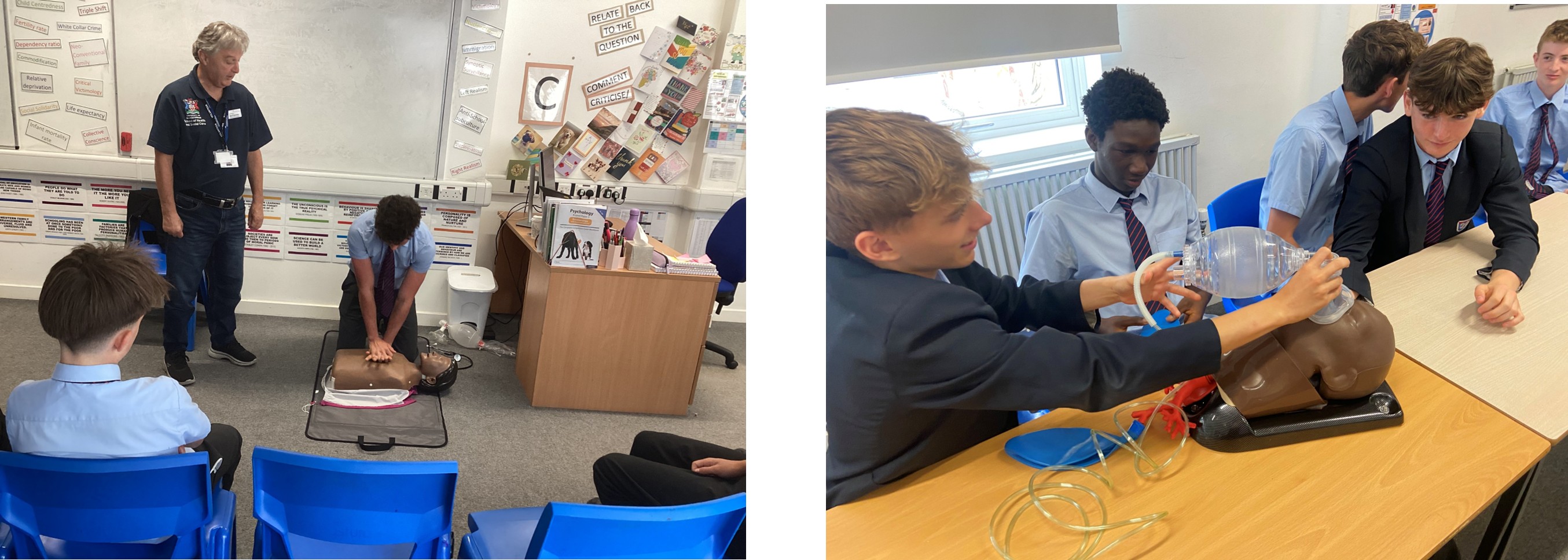
Key Things to Consider
- Work Experience Matters
You’ll often be expected to show that you’ve gained some experience in a caring or health-related setting. This could be through volunteering at a care home, shadowing professionals in a clinical environment, or supporting people in your community. Even short placements can make a big difference in showing that you’ve taken time to explore the realities of the job. - Strong Personal Statement
Your personal statement should reflect why you want to enter a caring profession, and include examples that show empathy, communication skills, resilience, and your ability to work with a wide range of people. You should also explain what you’ve learned from any relevant experience. - Values and Attitudes
Courses in Health and Social Care are looking for applicants who align with the values of the profession—such as respect, compassion, integrity, and a commitment to supporting vulnerable people. It’s important to demonstrate these qualities throughout your application and in any interviews. - Interviews and Additional Checks
Many of these courses involve an interview stage, which might include role plays, group discussions, or scenario-based questions. You may also need to complete Disclosure and Barring Service (DBS) checks before starting the course, due to the nature of working with vulnerable people. - Emotional Preparedness
Working in health and social care can be incredibly rewarding, but also emotionally challenging. Admissions tutors are looking for people who understand the pressures of the job and can reflect thoughtfully on how they might cope with difficult situations.
Where to Look Next
Click any of the titles below to open the link.
Future Quest Healthcare - www.futurequest.org.uk
This site offers
interactive resources, career profiles, and real-life stories to help you explore the wide range of roles in
the healthcare sector. It's especially useful for students thinking about next steps and what studying
for these careers might involve.
Health Careers - https://www.healthcareers.nhs.uk
Run by
the NHS, this site offers detailed information about over 350 health careers, including job descriptions,
entry requirements, and advice on getting work experience.
Social Work England – https://www.socialworkengland.org.uk
The regulator for social workers in England. This site outlines what the role involves and what’s required to become a registered
social worker.
Step Into the NHS – https://www.stepintothenhs.nhs.uk
Aimed
at younger students, this site includes career quizzes, videos, and role profiles to help you explore
different NHS careers in an interactive way.
UCAS – www.ucas.com
The central hub for applying to university. Use it to search for health and social
care courses and apprenticeships, learn about entry requirements, compare options, and get step-by-step
support with your personal statement and application.