New Description
An organisation that produces goods or provides services to satisfy customer needs.
The reason the business exists (e.g., to make profit, offer a social benefit, fill a market gap).
A business owned and controlled by one person.
A business owned by two or more people who share profits and responsibilities.
A business owned by shareholders with limited liability; shares are not sold to the public.
A company whose shares are sold on the stock exchange; shareholders have limited liability.
A business model where a franchisee buys the rights to trade under an established brand.
A business owned and run by its members for their mutual benefit.
Extracting raw materials (e.g., farming, mining).
Manufacturing or processing goods.
Providing services.
Knowledge-based services (e.g., ICT, research).
A long-term goal (e.g., growth, survival, profit).
A short-term target used to achieve aims; often SMART.
Anyone with an interest in the business. Internal: Employees, managers, owners. External: Customers, suppliers, government, community.
When different stakeholder groups want different outcomes.
Factors inside the business (staff, culture, resources).
Political – Laws, government policies Economic – Inflation, interest rates Social – Demographics, lifestyle trends Technological – Innovation, automation Legal – Legislation Environmental – Sustainability, climate factors
How a business arranges its staff to meet objectives.
Levels of authority/management.
The number of people a manager directly supervises.
The line of authority from top to bottom.
Decisions are made at the top.
Decisions spread across departments.
Recruitment, training, employee relations.
Budgeting, accounts, cash flow.
Promotion, market research, advertising.
Manufacturing or delivering the service.
Systems, networks, digital support.
Handling queries, complaints, customer support
Selling products/services, meeting sales targets.
New products and innovation.
Within the business (emails, meetings, intranet).
With customers, suppliers, public.
Meetings, phone calls.
Body language, tone.
Emails, reports, letters.
Shared values, beliefs and behaviours in the business.
Clear rules, procedures, strict hierarchy.
Flexible working, team-based, creative.
A short statement explaining the business’s purpose and values.
What the business aims to achieve in the long term.
New Description
Factors outside the business that influence performance.
Government policies, tax, trade laws, political stability.
Interest rates, inflation, unemployment, exchange rates.
Demographics, culture, lifestyle trends.
Innovation, automation, digital systems.
Laws relating to employment, consumer rights, health & safety.
Sustainability, climate change, waste management.
The rate at which prices rise over time.
The cost of borrowing money or reward for saving.
The value of one currency compared to another.
Percentage of people able to work but without a job.
Increase in a country’s production and income.
Another business offering similar goods/services.
A benefit that makes a business better than rivals.
The percentage of sales a business holds in a market.
Moral principles guiding business behaviour.
When a business considers social, environmental and ethical impacts.
Adjustments or developments a business must make due to external/internal factors.
Reasons forcing businesses to adapt (e.g., technology, competition, trends).
New software, automation, digital tools.
Changing consumer preferences or buying habits.
New laws requiring operational adjustments.
Recession, inflation, interest rate changes.
Creating new products or improving existing ones.
Changing organisational structure, roles or departments.
Developing employee skills to meet new demands.
Expanding into new markets or products.
Reducing expenses to maintain profitability.
The chance of a negative outcome.
A backup plan to deal with unexpected events.
Coordinated response to a significant unexpected threat.
New Description
Creating something new or significantly improving an existing product, service, or process.
Developing new or improved goods (e.g., new features, new design).
Improving the way products/services are created or delivered to increase efficiency or reduce cost.
Small, continuous improvements.
Major changes that transform markets or create entirely new ones.
The ability to take risks, show initiative and drive business ideas forward.
A person who creates, develops and runs a business, taking on financial risks.
Skills such as creativity, decision‑making, problem‑solving, leadership and risk‑taking.
Acting independently and making decisions without being told.
Willingness to accept uncertain outcomes for potential rewards.
Ability to persist and recover from setbacks.
Generating new ideas, solutions and business opportunities.
A gap or unmet need in the market that a business can exploit.
The unique benefit a product/service provides that makes customers choose it.
Expanding operations (e.g., increasing sales, expanding locations).
Expanding into new product lines or markets.
A unique feature that gives a business an edge over rivals.
The process of identifying, anticipating, and satisfying customer needs profitably.
A place (physical or online) where buyers and sellers meet to exchange goods or services.
The essential requirements customers expect from a product/service.
Non‑essential desires that influence buying choices.
Large market where products appeal to a wide audience.
Smaller, specialised segment with specific needs.
Businesses selling products/services directly to individuals.
Businesses selling products/services to other businesses.
Collecting and analysing information about markets, customers, and competitors.
Original data collected first‑hand (e.g., surveys, interviews, observations).
Existing information collected by others (e.g., reports, websites, statistics).
Data collected in numerical form (e.g., percentages, ratings).
Data capturing opinions, attitudes and motivations.
A set of structured questions used to gather data.
A small group discussion used to gather detailed opinions.
Watching customer behaviour to gather insights.
Selecting a portion of the population to represent the whole.
Everyone has an equal chance of being chosen.
Selecting participants based on specific characteristics.
How a product is perceived compared to competitors.
A feature that makes a product different from competitors.
Creating a recognisable identity such as name, logo, colours.
How customers view a brand.
Dividing a market into groups with similar characteristics.
New Description
The reasoning or justification behind creating a marketing campaign.
Goals that the campaign aims to achieve, such as increasing sales or improving brand awareness.
Specific, Measurable, Achievable, Realistic and Time‑bound goals.
How familiar consumers are with a brand.
Increasing market share within existing markets.
Attracting new customers
Keeping existing customers and encouraging repeat purchases.
Introducing existing products into new markets.
Identifying strengths, weaknesses, opportunities and threats.
The specific customers the campaign is designed to reach.
Product, Price, Place, Promotion.
Features, design, packaging, USP.
Pricing strategy (e.g., skimming, penetration, competitive).
Distribution channels (online/retail).
Ways of communicating with customers (advertising, PR, social media).
Staff delivering the product/service.
Customer service systems, delivery processes.
Tangible elements (store layout, branding, packaging).
The main idea or theme communicated to customers.
Selecting promotional channels (TV, social media, print, influencers).
Timelines for the campaign (start, end, key release dates).
Calculating the cost of promotional activities.
Promoting products truthfully and responsibly.
New Description
A gap or unmet need in the market that a business can exploit.
The unique benefit a product/service provides that makes customers choose it.
Expanding operations (e.g., increasing sales, expanding locations).
Expanding into new product lines or markets.
A unique feature that gives a business an edge over rivals.
The process of identifying, anticipating, and satisfying customer needs profitably.
A place (physical or online) where buyers and sellers meet to exchange goods or services.
The essential requirements customers expect from a product/service.
Non‑essential desires that influence buying choices.
Large market where products appeal to a wide audience.
Smaller, specialised segment with specific needs.
Businesses selling products/services directly to individuals.
Businesses selling products/services to other businesses.
Collecting and analysing information about markets, customers, and competitors.
Original data collected first‑hand (e.g., surveys, interviews, observations).
Existing information collected by others (e.g., reports, websites, statistics).
Data collected in numerical form (e.g., percentages, ratings).
Data capturing opinions, attitudes and motivations.
A set of structured questions used to gather data.
A small group discussion used to gather detailed opinions.
Watching customer behaviour to gather insights.
Selecting a portion of the population to represent the whole.
Everyone has an equal chance of being chosen.
Selecting participants based on specific characteristics.
How a product is perceived compared to competitors.
A feature that makes a product different from competitors.
Creating a recognisable identity such as name, logo, colours.
How customers view a brand.
Dividing a market into groups with similar characteristics.
The reasoning or justification behind creating a marketing campaign.
Goals that the campaign aims to achieve, such as increasing sales or improving brand awareness.
Specific, Measurable, Achievable, Realistic and Time‑bound goals.
How familiar consumers are with a brand.
Increasing market share within existing markets.
Attracting new customers
Keeping existing customers and encouraging repeat purchases.
Introducing existing products into new markets.
Identifying strengths, weaknesses, opportunities and threats.
The specific customers the campaign is designed to reach.
Product, Price, Place, Promotion.
Features, design, packaging, USP.
Pricing strategy (e.g., skimming, penetration, competitive).
Distribution channels (online/retail).
Ways of communicating with customers (advertising, PR, social media).
Staff delivering the product/service.
Customer service systems, delivery processes.
Tangible elements (store layout, branding, packaging).
The main idea or theme communicated to customers.
Selecting promotional channels (TV, social media, print, influencers).
Timelines for the campaign (start, end, key release dates).
Calculating the cost of promotional activities.
Promoting products truthfully and responsibly.
New Description
Managing your own money, budgeting, saving and spending.
Money received (e.g., wages, benefits, interest).
Money spent on goods, services, or bills.
Planning income and expenditure to avoid overspending.
When income is greater than expenditure.
When expenditure is greater than income.
Earnings from employment.
Government financial support (e.g., Universal Credit).
Income after retirement.
Money earned from savings.
Earnings from owning shares.
Physical money (notes/coins).
Card linked directly to a bank account.
Borrowing money from a credit provider to make purchases.
Automatic regular payment from a bank account.
Customer‑set regular payment.
Quick payments up to a limit using NFC technology.
Managing finances over the internet.
Written order to pay a set amount from a bank account.
Everyday account for income and expenditure.
Account used to save money and earn interest.
A tax‑free savings account.
Borrowing a fixed amount to be repaid with interest.
Borrowing from a bank by going below £0 in an account.
Paying for goods in instalments; ownership after final payment.
Long‑term loan for buying property.
A measure of someone’s ability to repay loans.
Protection against financial loss.
Offers savings, loans, overdrafts, and payment services.
Similar to banks but owned by members, not shareholders.
Member‑owned financial co‑operative offering savings and loans.
Provides protection against financial losses.
Offer loans secured against personal items.
Short‑term, high‑interest loans.
Professional offering advice on savings, pensions, investments.
Free guidance on finances, debts, benefits.
Tools that compare financial products (insurance, loans, utilities).
Organisations that support individuals in managing debt.
Regulates financial services and protects consumers.
Protects customer savings if a bank/building society fails (up to £85,000).
Independent service resolving complaints between customers and financial institutions.
Protects customers from faulty goods/services.
Controls how personal data is used.
Helps settle disputes about financial products/services.
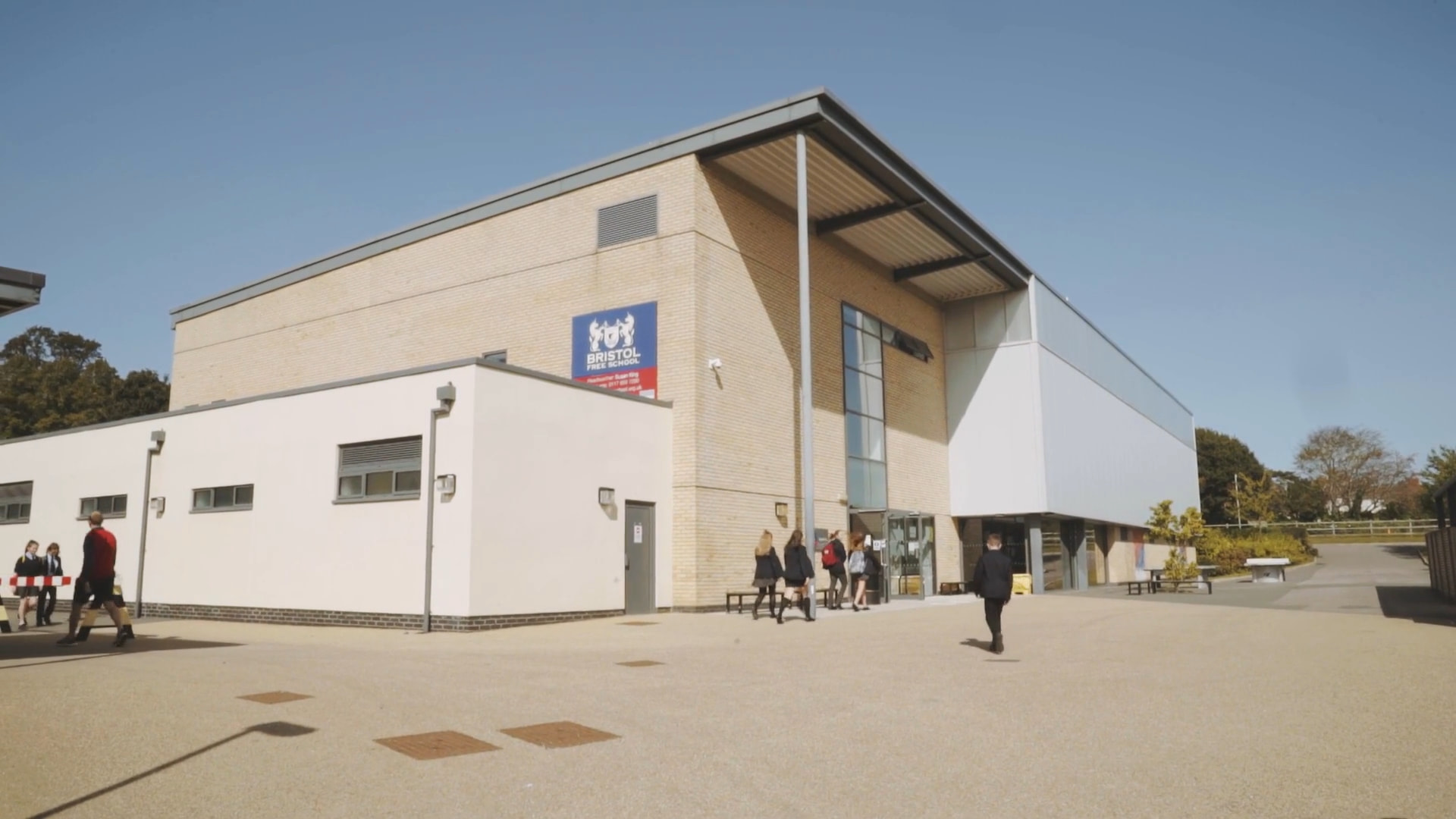
Bristol Free School is a friendly, well-disciplined and well-organised community, in which every child can thrive.

Bristol Free School,
Concorde Drive,
Bristol BS10 6NJ
© Copyright Bristol Free School 2011-2026 • Russell Education Trust
website design by Knox