Unit 1 – Human Lifespan Development
Learning Aim A - Human growth and development through the life stages.
Unit 5 – Meeting Individual Care and Support Needs
Learning Aim A - Examine principles, values and skills which underpin meeting the care and support needs of individuals.
Unit 1 End of Topic Test
Unit 5 Assignment 1 – Ethical Care
A measurable increase in physical size, such as height, weight, or mass. Growth is numerical and can be tracked using charts and measurements.
The complex changes individuals experience as they acquire new abilities and skills in physical, intellectual, emotional and social (PIES) areas.
The average age at which most individuals achieve a specific developmental skill, such as sitting, walking, or speaking. Norms help identify typical progress.
A key skill or behaviour reached during development—for example, first steps or first words. Milestones mark expected points of progress.
When a child does not reach milestones within the expected timeframe, suggesting slower-than-typical development in one or more PIES areas.
Birth to 2 years. A period of rapid physical growth and early PIES development.
Ages 3–8. Continued steady growth, increasing independence and cognitive development.
Ages 9–18. Marked by puberty, identity formation, emotional changes and advanced reasoning skills.
Ages 19–45. Physical peak, forming long-term relationships, careers and emotional stability.
Ages 46–65. Ageing begins; cognitive experience increases; possible life events such as career plateau or family change.
65+ years. Physical decline, changes in social roles and adapting to ageing.
Older senior years (beyond initial retirement age). Increasing frailty and changing support needs.
Changes in the body, motor skills, puberty, growth patterns and health.
Cognitive processes including language, memory, problem-solving and reasoning.
Understanding and managing feelings, developing self‑concept and emotional resilience.
Building relationships, communication skills, independence and social roles.
Activities or programmes aimed at informing and educating individuals or communities to improve health and wellbeing.
The reason health education is delivered, such as raising awareness, reducing health risks, promoting healthier behaviours, and supporting national health priorities (e.g., smoking cessation).
The functions health education performs, such as influencing attitudes, guiding behaviour change, shaping public understanding of risks, and supporting community health initiatives.
National or local bodies that shape, fund, regulate or deliver health education programmes, such as public health agencies, charities, and government departments.
Laws and rules that impact how health education is delivered, ensuring it is safe, accurate, ethical and supportive of public health outcomes.
The process where national bodies track health trends (e.g., smoking rates), identify risk patterns and evaluate the success of public health campaigns.
Unit 1 – Human Lifespan Development
Learning Aim A - Human growth and development through the life stages.
Unit 5 – Meeting Individual Care and Support Needs
Learning Aim B - Examine the ethical issues involved when providing care and support to meet individual needs.
Unit 1 End of Topic Test
Unit 5 Assignment 1 – Ethical Care
Inherited characteristics passed from biological parents to children through genes. These can positively or negatively influence growth and development, affecting traits such as height, predisposition to illness, or inherited conditions.
Everyday behaviours and choices that influence health and development, such as diet, exercise, substance use, sleep, and personal habits. Lifestyle factors can support healthy development or increase risk of illness.
Differences in health status or access to health services experienced by individuals or groups due to factors like socioeconomic status, education, environment, or availability of health care. These inequalities can lead to uneven health outcomes across populations.
Conditions of a person’s surroundings (housing, pollution, neighbourhood safety, access to green spaces) that can positively or negatively impact development across life stages.
Social circumstances (income, employment, education, family stability) that shape opportunities and access to resources, influencing health, wellbeing, and life chances.
Aspects such as chronic illness, disability, and overall physical health that can affect an individual's capacity to learn, interact, and develop physically, intellectually, emotionally, and socially.
Situations where a professional must decide what is morally right or wrong, balancing an individual’s needs with professional standards and societal expectations.
A theory stating that the morality of an action depends solely on its consequences. An action is considered right if it leads to the best outcomes.
A form of consequentialism suggesting people should maximise human welfare or well‑being, aiming for the greatest good for the greatest number.
The belief that actions should aim to maximise human pleasure. Pleasure is viewed as the highest good.
An ethical theory focused on duty and obligation. It argues actions are morally right based on rules or principles, regardless of consequences.
A widely used ethical framework in health and biomedical settings that applies core principles (commonly autonomy, beneficence, non‑maleficence, and justice) to guide decision‑making.
The ability to understand another person’s feelings or condition from their perspective, imagining yourself “in their shoes'
Creating a safe, respectful, and reliable relationship with individuals so that they feel comfortable sharing concerns and engaging in support.
Unit 1 – Human Lifespan Development
Learning Aim B - Factors affecting human growth and development.
Unit 5 – Meeting Individual Care and Support Needs
Learning Aim C - Investigate the principles behind enabling individuals with care and support needs to overcome challenges.
Unit 1 End of Topic Test
Unit 5 Assignment 1 – Ethical Care
Common or widespread illnesses or health issues that affect individuals across life stages (e.g., diabetes, cardiovascular disease). These conditions influence how care is planned and delivered.
Activities aimed at improving health and wellbeing by increasing awareness, encouraging healthy choices, and reducing risk factors.
Actions taken to stop illness or health problems from developing, such as screening, vaccinations or lifestyle interventions.
Individuals who work in health or social care settings (e.g., nurses, doctors, social workers) and provide treatment, support, guidance and interventions across life stages.
An approach that tailors care, treatment and support to meet an individual’s unique needs, preferences and circumstances.
When professionals from different sectors or specialisms work together to plan, coordinate and deliver care. This ensures holistic and consistent support.
Interventions provided to manage, improve or cure a health condition. Treatment varies by life stage and condition.
Unit 1 – Human Lifespan Development
Learning Aim C - Effects of aging.
Unit 5 – Meeting Individual Care and Support Needs
Learning Aim C - Investigate the principles behind enabling individuals with care and support needs to overcome challenges.
Unit 1 End of Topic Test
Unit 5 Assignment 1 – Ethical Care
A measurable increase in physical size, such as height, weight, or mass. Growth is numerical and can be tracked using charts and measurements.
The complex changes individuals experience as they acquire new abilities and skills in physical, intellectual, emotional and social (PIES) areas.
The average age at which most individuals achieve a specific developmental skill, such as sitting, walking, or speaking. Norms help identify typical progress.
A key skill or behaviour reached during development—for example, first steps or first words. Milestones mark expected points of progress.
When a child does not reach milestones within the expected timeframe, suggesting slower-than-typical development in one or more PIES areas.
Birth to 2 years. A period of rapid physical growth and early PIES development.
Ages 3–8. Continued steady growth, increasing independence and cognitive development.
Ages 9–18. Marked by puberty, identity formation, emotional changes and advanced reasoning skills.
Ages 19–45. Physical peak, forming long-term relationships, careers and emotional stability.
Ages 46–65. Ageing begins; cognitive experience increases; possible life events such as career plateau or family change.
65+ years. Physical decline, changes in social roles and adapting to ageing.
Older senior years (beyond initial retirement age). Increasing frailty and changing support needs.
Changes in the body, motor skills, puberty, growth patterns and health.
Cognitive processes including language, memory, problem-solving and reasoning.
Understanding and managing feelings, developing self‑concept and emotional resilience.
Building relationships, communication skills, independence and social roles.
Inherited characteristics passed from biological parents to children through genes. These can positively or negatively influence growth and development, affecting traits such as height, predisposition to illness, or inherited conditions.
Everyday behaviours and choices that influence health and development, such as diet, exercise, substance use, sleep, and personal habits. Lifestyle factors can support healthy development or increase risk of illness.
Differences in health status or access to health services experienced by individuals or groups due to factors like socioeconomic status, education, environment, or availability of health care. These inequalities can lead to uneven health outcomes across populations.
Conditions of a person’s surroundings (housing, pollution, neighbourhood safety, access to green spaces) that can positively or negatively impact development across life stages.
Social circumstances (income, employment, education, family stability) that shape opportunities and access to resources, influencing health, wellbeing, and life chances.
Aspects such as chronic illness, disability, and overall physical health that can affect an individual's capacity to learn, interact, and develop physically, intellectually, emotionally, and socially.
Common or widespread illnesses or health issues that affect individuals across life stages (e.g., diabetes, cardiovascular disease). These conditions influence how care is planned and delivered.
Activities aimed at improving health and wellbeing by increasing awareness, encouraging healthy choices, and reducing risk factors.
Actions taken to stop illness or health problems from developing, such as screening, vaccinations or lifestyle interventions.
Individuals who work in health or social care settings (e.g., nurses, doctors, social workers) and provide treatment, support, guidance and interventions across life stages.
An approach that tailors care, treatment and support to meet an individual’s unique needs, preferences and circumstances.
When professionals from different sectors or specialisms work together to plan, coordinate and deliver care. This ensures holistic and consistent support.
Interventions provided to manage, improve or cure a health condition. Treatment varies by life stage and condition.
Unit 1 – Human Lifespan Development - Revision of all learning aims.
Unit 5 – Meeting Individual Care and Support Needs
Learning Aim C - Investigate the principles behind enabling individuals with care and support needs to overcome challenges.
Unit 1 External Exam
Unit 5 Assignment 1 – Ethical Care
A measurable increase in physical size, such as height, weight, or mass. Growth is numerical and can be tracked using charts and measurements.
The complex changes individuals experience as they acquire new abilities and skills in physical, intellectual, emotional and social (PIES) areas.
The average age at which most individuals achieve a specific developmental skill, such as sitting, walking, or speaking. Norms help identify typical progress.
A key skill or behaviour reached during development—for example, first steps or first words. Milestones mark expected points of progress.
When a child does not reach milestones within the expected timeframe, suggesting slower-than-typical development in one or more PIES areas.
Birth to 2 years. A period of rapid physical growth and early PIES development.
Ages 3–8. Continued steady growth, increasing independence and cognitive development.
Ages 9–18. Marked by puberty, identity formation, emotional changes and advanced reasoning skills.
Ages 19–45. Physical peak, forming long-term relationships, careers and emotional stability.
Ages 46–65. Ageing begins; cognitive experience increases; possible life events such as career plateau or family change.
65+ years. Physical decline, changes in social roles and adapting to ageing.
Older senior years (beyond initial retirement age). Increasing frailty and changing support needs.
Changes in the body, motor skills, puberty, growth patterns and health.
Cognitive processes including language, memory, problem-solving and reasoning.
Understanding and managing feelings, developing self‑concept and emotional resilience.
Building relationships, communication skills, independence and social roles.
Inherited characteristics passed from biological parents to children through genes. These can positively or negatively influence growth and development, affecting traits such as height, predisposition to illness, or inherited conditions.
Everyday behaviours and choices that influence health and development, such as diet, exercise, substance use, sleep, and personal habits. Lifestyle factors can support healthy development or increase risk of illness.
Differences in health status or access to health services experienced by individuals or groups due to factors like socioeconomic status, education, environment, or availability of health care. These inequalities can lead to uneven health outcomes across populations.
Conditions of a person’s surroundings (housing, pollution, neighbourhood safety, access to green spaces) that can positively or negatively impact development across life stages.
Social circumstances (income, employment, education, family stability) that shape opportunities and access to resources, influencing health, wellbeing, and life chances.
Aspects such as chronic illness, disability, and overall physical health that can affect an individual's capacity to learn, interact, and develop physically, intellectually, emotionally, and socially.
Common or widespread illnesses or health issues that affect individuals across life stages (e.g., diabetes, cardiovascular disease). These conditions influence how care is planned and delivered.
Activities aimed at improving health and wellbeing by increasing awareness, encouraging healthy choices, and reducing risk factors.
Actions taken to stop illness or health problems from developing, such as screening, vaccinations or lifestyle interventions.
Individuals who work in health or social care settings (e.g., nurses, doctors, social workers) and provide treatment, support, guidance and interventions across life stages.
An approach that tailors care, treatment and support to meet an individual’s unique needs, preferences and circumstances.
When professionals from different sectors or specialisms work together to plan, coordinate and deliver care. This ensures holistic and consistent support.
Interventions provided to manage, improve or cure a health condition. Treatment varies by life stage and condition.
Unit 5 – Meeting Individual Care and Support Needs
Learning Aim D - Investigate the roles of professionals and how they work together to provide the care and support necessary to meet individual needs.
Unit 5 Assignment 2 – Ethical Care
The basic structural and functional unit of the human body, responsible for carrying out essential life processes.
The internal components of a cell (such as the nucleus, cytoplasm, membrane) that determine how it functions within the body.
Cells adapted to perform specific roles, such as nerve cells for communication or muscle cells for movement.
A group of similar cells working together to perform a particular function.
A type of tissue that covers body surfaces and lines internal organs, providing protection or absorption.
Tissue that supports, binds or separates other tissues and organs (e.g., bone, cartilage, blood).
Tissue that contracts to enable movement of the body or internal organs.
Tissue specialised in transmitting electrical impulses to coordinate bodily functions.
The chemical process within cells that releases energy from glucose to support bodily functions.
The body’s primary energy-carrying molecule, used in all cellular activities that require energy.
The process that maintains stable internal conditions (e.g., temperature, pH, glucose levels) vital for survival.
A regulatory mechanism where a change triggers a response that counteracts the initial change, helping restore balance.
The homeostatic control of body temperature to keep it within a healthy range.
A homeostatic mechanism controlling levels of glucose in the blood, often involving insulin and glucagon.
Core beliefs, standards and principles that guide professional behaviour to ensure respectful, dignified, fair and non‑discriminatory care.
An approach that places the individual at the centre of their care, tailoring support to their unique needs, preferences, wishes and cultural background.
Care that is adapted specifically to each service user based on their personal circumstances rather than using a one‑size‑fits‑all model.
The exchange of information using verbal, non‑verbal, written and visual methods, adapted to meet individuals’ communication needs.
Communication that occurs without spoken words, such as body language, gestures, facial expressions and tone of voice.
Listening attentively, showing understanding, and responding appropriately to ensure the individual feels heard and supported.
The professional requirement to protect personal information and only share it when necessary, appropriate or legally required.
A legal and professional obligation to act in the best interests of individuals, ensuring their safety, wellbeing and protection from harm.
Children or adults who may be unable to protect themselves from harm, abuse or exploitation due to age, disability, illness or other circumstances.
Actions taken to protect vulnerable people from abuse, neglect or harm, ensuring their right to safety and wellbeing.
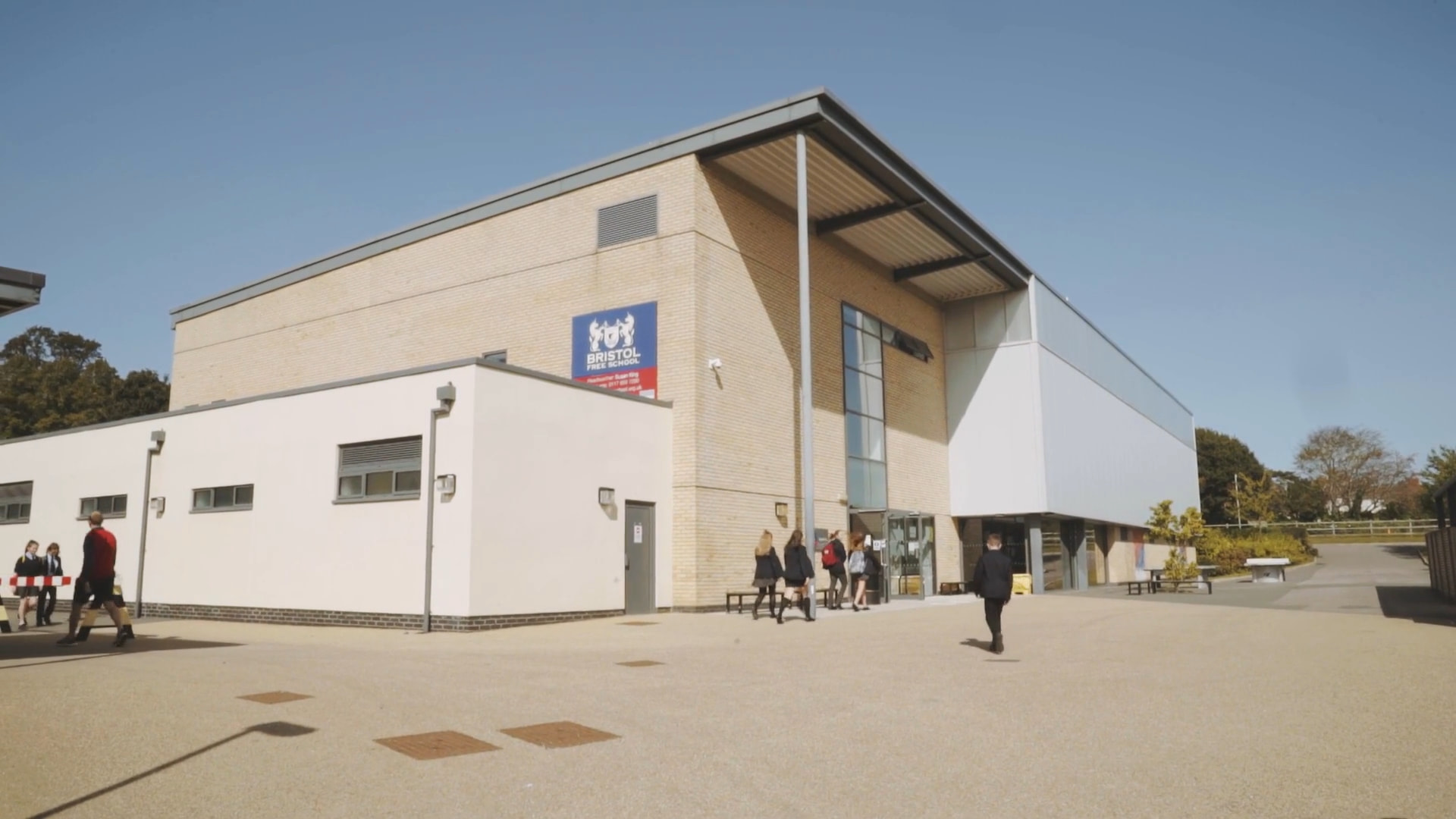
Bristol Free School is a friendly, well-disciplined and well-organised community, in which every child can thrive.

Bristol Free School,
Concorde Drive,
Bristol BS10 6NJ
© Copyright Bristol Free School 2011-2026 • Russell Education Trust
website design by Knox