3.1 Globalisation
The term ‘globalisation’ describes a range of economic developments that enhance the ability of nations and firms to trade within a rules-based system.
Topics Covered:
-Growing Economies
-Trade and Growth
-Trading Blocs
-Trade policy and trade negotiations
-Exchange Rates
3.2 Economic factors in business expansion
Firms need to be able to assess the relative merits of competing potential locations for market growth and production.
Topics Covered:
-Conditions that prompt trade
-Assessing the potential of different economies
3.3 Impact of globalisation on global companies
Firms need to understand the differences between consumers in different countries and cultures.
Topics Covered:
-Responding to global demand
- Demand-side factors in global markets
End of unit assessments based on Topic 3.1, 3.2 and 3.3, these assessments are completed in timed conditions and are based on A-level exam questions, which helps prepare students for their A-Level examinations
Requirement for survival
Non-essential desire
Scarcity of resources vs unlimited wants
Land, labour, capital, enterprise
Next best alternative foregone
Objective, testable claim
Subjective opinion
Personal assessment of right or wrong
Goods used to produce other goods
Limited resources
Max output combinations curve
Splitting production into tasks
Quantity consumers willing to buy
Quantity producers willing to sell
Responsiveness of demand to price
Responsiveness of demand to income
Responsiveness of demand to other goods prices
Responsiveness of supply to price
Difference between willingness to pay and price
Difference between price received and minimum acceptable
Third-party effect of production/consumption
Non-rival and non-excludable goods
When parties lack full info
Intervention creates worse outcomes
General rise in prices
People without jobs but seeking work
Increase in real GDP
Record of trade flows
Total demand in economy
Total output producers willing to supply
Spending on capital goods
Public sector spending
Exports minus imports
Change in injections produces larger change in GDP
Difference between actual and potential output
Gov spending/tax changes
High growth phase
Negative growth
Interest rate/money supply control
Value of currency
Trade barriers
Integration of world economies
Investment by foreign firms
Firm operating in many countries
Moving production abroad
Using external suppliers
Rivalry between firms
Market dominated by few firms
Single seller market
Different prices to different groups
Falling AC with output
Rising AC with output
Values within firm
Internal expansion
Mergers & acquisitions
Merging with same stage firm
Merging up/down supply chain
Diversified merger
Owners liability limited to investment
Owner of shares
Any party affected by business
Goal to maximise profits
Goal to maximise sales revenue
Goal to increase output
Ethical business practice
How prices allocate resources
Market allocates inefficiently
Government payments to firms
Compulsory payments to gov
Tax on imports
Limit on imports
Output per worker
Supply/demand for labour
Legal pay floor
Policy of stabilising inflation
Cost of borrowing
Transfer to private sector
Transfer to public sector
Optimal use of resources
Resources match consumer preferences
Lowest cost production
Innovation over time
Ease of entry in market
International production links
Unstable currency values
Trade in goods/services part of BOP
Gov spending exceeds revenue
Total gov borrowing
Sudden reduction in lending
GDP per person
Index combining income, health, education
Making product distinct
Dividing consumers into groups
Efficient waste‑reducing production
Producing only when needed
3.4 Impact of globalisation on local and national economies
Large firms can wield significant market power and can have both positive and negative effects in the countries in which they operate.
Topics Covered
-Impact of MNCs
-Ethical Issues
-Controlling MNCs
3.5 Global labour markets
Globalisation has opened up labour markets, giving firms access to a greater number of potential employees. Production has sometimes moved to where labour is cheaper and this has had an impact on both pay and job opportunities.
Topics Covered:
-Employment Patters
-Wage Rates
-Minimum wage legislation
3.6 Inequality and re-distribution
Globalisation has helped to reduce the number of people living in absolute poverty and has had an impact on inequality between and within nations.
Topics Covered:
-Poverty and Inequality
-Reducing Poverty
-The Impact of inequality on economics agents
-Re-distribution of income and wealth
End of unit assessments based on Topic 3.4, 3.5 and 3.6, these assessments are completed in timed conditions and are based on A-level exam questions, which helps prepare students for their A-Level examinations
Requirement for survival
Non-essential desire
Scarcity of resources vs unlimited wants
Land, labour, capital, enterprise
Next best alternative foregone
Objective, testable claim
Subjective opinion
Personal assessment of right or wrong
Goods used to produce other goods
Limited resources
Max output combinations curve
Splitting production into tasks
Quantity consumers willing to buy
Quantity producers willing to sell
Responsiveness of demand to price
Responsiveness of demand to income
Responsiveness of demand to other goods prices
Responsiveness of supply to price
Difference between willingness to pay and price
Difference between price received and minimum acceptable
Third-party effect of production/consumption
Non-rival and non-excludable goods
When parties lack full info
Intervention creates worse outcomes
General rise in prices
People without jobs but seeking work
Increase in real GDP
Record of trade flows
Total demand in economy
Total output producers willing to supply
Spending on capital goods
Public sector spending
Exports minus imports
Change in injections produces larger change in GDP
Difference between actual and potential output
Gov spending/tax changes
High growth phase
Negative growth
Interest rate/money supply control
Value of currency
Trade barriers
Integration of world economies
Investment by foreign firms
Firm operating in many countries
Moving production abroad
Using external suppliers
Rivalry between firms
Market dominated by few firms
Single seller market
Different prices to different groups
Falling AC with output
Rising AC with output
Values within firm
Internal expansion
Mergers & acquisitions
Merging with same stage firm
Merging up/down supply chain
Diversified merger
Owners liability limited to investment
Owner of shares
Any party affected by business
Goal to maximise profits
Goal to maximise sales revenue
Goal to increase output
Ethical business practice
How prices allocate resources
Market allocates inefficiently
Government payments to firms
Compulsory payments to gov
Tax on imports
Limit on imports
Output per worker
Supply/demand for labour
Legal pay floor
Policy of stabilising inflation
Cost of borrowing
Transfer to private sector
Transfer to public sector
Optimal use of resources
Resources match consumer preferences
Lowest cost production
Innovation over time
Ease of entry in market
International production links
Unstable currency values
Trade in goods/services part of BOP
Gov spending exceeds revenue
Total gov borrowing
Sudden reduction in lending
GDP per person
Index combining income, health, education
Making product distinct
Dividing consumers into groups
Efficient waste‑reducing production
Producing only when needed
4.1 Competition and market power
Firms operate in markets with varying degrees of competition and this affects their decisions and the way in which resources are used.
Topics Covered:
-Spectrum of Competition
-Barriers to entry
-Oligopoly
-Business Objectives and pricing decisions
- Productive and allocative efficiency
4.2 Market power and market failure
Firms do not always behave in a way that benefits all economic agents and governments may intervene to regulate the power these firms have.
Topics Covered:
-Market Failure
-Business Regulation
-Arguments for and against regulation
4.3 Market failure across the economy
Markets may not produce outcomes that are always considered socially desirable. This may prompt governments to intervene in an attempt to change the outcomes.
Topics Covered:
-Market Failure in society
- Externalities
-Polices to deal with market failure
End of unit assessments based on Topic 4.1,4.2 and 4.3, these assessments are completed in timed conditions and are based on A-level exam questions, which helps prepare students for their A-Level examinations
Requirement for survival
Non-essential desire
Scarcity of resources vs unlimited wants
Land, labour, capital, enterprise
Next best alternative foregone
Objective, testable claim
Subjective opinion
Personal assessment of right or wrong
Goods used to produce other goods
Limited resources
Max output combinations curve
Splitting production into tasks
Quantity consumers willing to buy
Quantity producers willing to sell
Responsiveness of demand to price
Responsiveness of demand to income
Responsiveness of demand to other goods prices
Responsiveness of supply to price
Difference between willingness to pay and price
Difference between price received and minimum acceptable
Third-party effect of production/consumption
Non-rival and non-excludable goods
When parties lack full info
Intervention creates worse outcomes
General rise in prices
People without jobs but seeking work
Increase in real GDP
Record of trade flows
Total demand in economy
Total output producers willing to supply
Spending on capital goods
Public sector spending
Exports minus imports
Change in injections produces larger change in GDP
Difference between actual and potential output
Gov spending/tax changes
High growth phase
Negative growth
Interest rate/money supply control
Value of currency
Trade barriers
Integration of world economies
Investment by foreign firms
Firm operating in many countries
Moving production abroad
Using external suppliers
Rivalry between firms
Market dominated by few firms
Single seller market
Different prices to different groups
Falling AC with output
Rising AC with output
Values within firm
Internal expansion
Mergers & acquisitions
Merging with same stage firm
Merging up/down supply chain
Diversified merger
Owners liability limited to investment
Owner of shares
Any party affected by business
Goal to maximise profits
Goal to maximise sales revenue
Goal to increase output
Ethical business practice
How prices allocate resources
Market allocates inefficiently
Government payments to firms
Compulsory payments to gov
Tax on imports
Limit on imports
Output per worker
Supply/demand for labour
Legal pay floor
Policy of stabilising inflation
Cost of borrowing
Transfer to private sector
Transfer to public sector
Optimal use of resources
Resources match consumer preferences
Lowest cost production
Innovation over time
Ease of entry in market
International production links
Unstable currency values
Trade in goods/services part of BOP
Gov spending exceeds revenue
Total gov borrowing
Sudden reduction in lending
GDP per person
Index combining income, health, education
Making product distinct
Dividing consumers into groups
Efficient waste‑reducing production
Producing only when needed
4.4 Macroeconomic policies and impact on firms and individuals
Economic fluctuations may well affect the fortunes of firms and individuals, and this encourages a demand for policies that reduce harm and promote wellbeing.
Topics Covered:
-The AD/AS model
-Demand-side policies
-Supply-side policies
-The impact of macroeconomic policies
4.5 Risk and the financial sector
Firms and individuals require access to credit to meet their respective needs. The financial sector provides a system that facilitates growth and development; economic policies regulate that system in the hope of ensuring stability.
Topics Covered:
-Risks and uncertainty
-The role of the financial sector
-The role of the central bank
-The Global Financial Crisis
End of unit assessments based on Topic 4.4 and 4.5, these assessments are completed in timed conditions and are based on A-level exam questions, which helps prepare students for their A-Level examinations
Requirement for survival
Non-essential desire
Scarcity of resources vs unlimited wants
Land, labour, capital, enterprise
Next best alternative foregone
Objective, testable claim
Subjective opinion
Personal assessment of right or wrong
Goods used to produce other goods
Limited resources
Max output combinations curve
Splitting production into tasks
Quantity consumers willing to buy
Quantity producers willing to sell
Responsiveness of demand to price
Responsiveness of demand to income
Responsiveness of demand to other goods prices
Responsiveness of supply to price
Difference between willingness to pay and price
Difference between price received and minimum acceptable
Third-party effect of production/consumption
Non-rival and non-excludable goods
When parties lack full info
Intervention creates worse outcomes
General rise in prices
People without jobs but seeking work
Increase in real GDP
Record of trade flows
Total demand in economy
Total output producers willing to supply
Spending on capital goods
Public sector spending
Exports minus imports
Change in injections produces larger change in GDP
Difference between actual and potential output
Gov spending/tax changes
High growth phase
Negative growth
Interest rate/money supply control
Value of currency
Trade barriers
Integration of world economies
Investment by foreign firms
Firm operating in many countries
Moving production abroad
Using external suppliers
Rivalry between firms
Market dominated by few firms
Single seller market
Different prices to different groups
Falling AC with output
Rising AC with output
Values within firm
Internal expansion
Mergers & acquisitions
Merging with same stage firm
Merging up/down supply chain
Diversified merger
Owners liability limited to investment
Owner of shares
Any party affected by business
Goal to maximise profits
Goal to maximise sales revenue
Goal to increase output
Ethical business practice
How prices allocate resources
Market allocates inefficiently
Government payments to firms
Compulsory payments to gov
Tax on imports
Limit on imports
Output per worker
Supply/demand for labour
Legal pay floor
Policy of stabilising inflation
Cost of borrowing
Transfer to private sector
Transfer to public sector
Optimal use of resources
Resources match consumer preferences
Lowest cost production
Innovation over time
Ease of entry in market
International production links
Unstable currency values
Trade in goods/services part of BOP
Gov spending exceeds revenue
Total gov borrowing
Sudden reduction in lending
GDP per person
Index combining income, health, education
Making product distinct
Dividing consumers into groups
Efficient waste‑reducing production
Producing only when needed
Revision for Theme 1,2,3 and 4. Paper 3 preparation on pre-release material.
Paper 1- Markets and how they work. (Theme 1 and 4)
Paper 2- Competing in the global economy (Theme 2 and 3)
Paper 3- The economic environment and business (Theme 1,2,3 and 4)
Requirement for survival
Non-essential desire
Scarcity of resources vs unlimited wants
Land, labour, capital, enterprise
Next best alternative foregone
Objective, testable claim
Subjective opinion
Personal assessment of right or wrong
Goods used to produce other goods
Limited resources
Max output combinations curve
Splitting production into tasks
Quantity consumers willing to buy
Quantity producers willing to sell
Responsiveness of demand to price
Responsiveness of demand to income
Responsiveness of demand to other goods prices
Responsiveness of supply to price
Difference between willingness to pay and price
Difference between price received and minimum acceptable
Third-party effect of production/consumption
Non-rival and non-excludable goods
When parties lack full info
Intervention creates worse outcomes
General rise in prices
People without jobs but seeking work
Increase in real GDP
Record of trade flows
Total demand in economy
Total output producers willing to supply
Spending on capital goods
Public sector spending
Exports minus imports
Change in injections produces larger change in GDP
Difference between actual and potential output
Gov spending/tax changes
High growth phase
Negative growth
Interest rate/money supply control
Value of currency
Trade barriers
Integration of world economies
Investment by foreign firms
Firm operating in many countries
Moving production abroad
Using external suppliers
Rivalry between firms
Market dominated by few firms
Single seller market
Different prices to different groups
Falling AC with output
Rising AC with output
Values within firm
Internal expansion
Mergers & acquisitions
Merging with same stage firm
Merging up/down supply chain
Diversified merger
Owners liability limited to investment
Owner of shares
Any party affected by business
Goal to maximise profits
Goal to maximise sales revenue
Goal to increase output
Ethical business practice
How prices allocate resources
Market allocates inefficiently
Government payments to firms
Compulsory payments to gov
Tax on imports
Limit on imports
Output per worker
Supply/demand for labour
Legal pay floor
Policy of stabilising inflation
Cost of borrowing
Transfer to private sector
Transfer to public sector
Optimal use of resources
Resources match consumer preferences
Lowest cost production
Innovation over time
Ease of entry in market
International production links
Unstable currency values
Trade in goods/services part of BOP
Gov spending exceeds revenue
Total gov borrowing
Sudden reduction in lending
GDP per person
Index combining income, health, education
Making product distinct
Dividing consumers into groups
Efficient waste‑reducing production
Producing only when needed
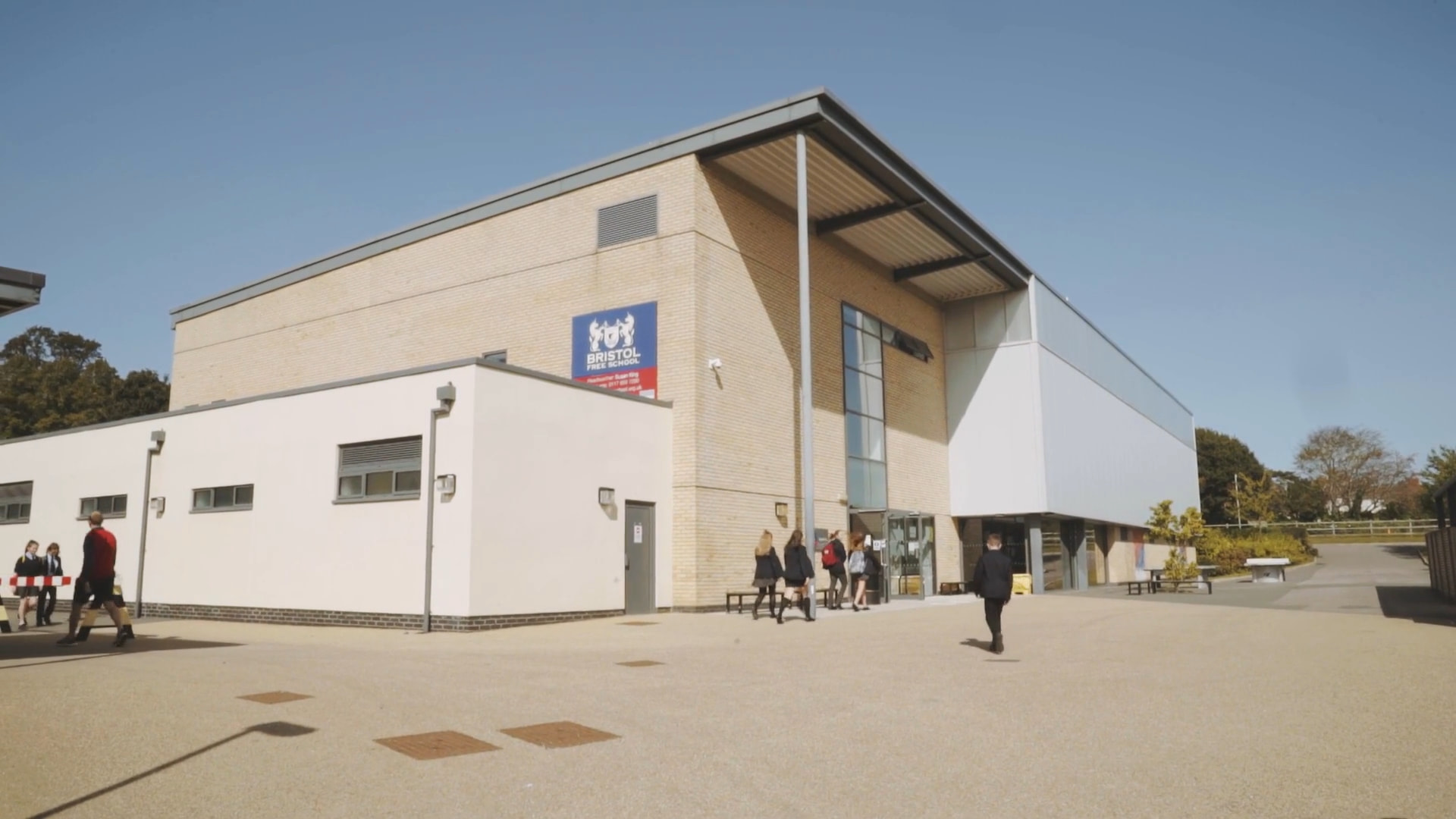
Bristol Free School is a friendly, well-disciplined and well-organised community, in which every child can thrive.

Bristol Free School,
Concorde Drive,
Bristol BS10 6NJ
© Copyright Bristol Free School 2011-2026 • Russell Education Trust
website design by Knox